
Auto accident-related low back pain can be managed naturally with chiropractic care. Chiropractors correct spinal misalignments, offer targeted relief, prevent future issues through individualized treatment plans, and avoid surgical risks. Combining spinal manipulation, lifestyle guidance (posture, exercise), and nutrition strategies provides lasting solutions for chronic low back pain without medication side effects.
Low back pain is a prevalent issue affecting millions globally, often exacerbated by auto accidents and seeking effective, non-surgical solutions is paramount. Many turn to chiropractors for guidance on managing this debilitating condition naturally. This article delves into comprehensive strategies for alleviating low back pain without invasive procedures, providing valuable insights backed by expert knowledge. We explore everything from evidence-based chiropractic techniques to lifestyle adjustments and therapeutic interventions, offering a holistic approach tailored for optimal recovery. By the end, readers will be equipped with the tools to navigate their journey towards a pain-free life after an accident.
- Understanding Low Back Pain After an Auto Accident
- Non-Surgical Chiropractor Treatments for Long-Term Relief
- Natural Remedies and Lifestyle Changes for Daily Ease
Understanding Low Back Pain After an Auto Accident
Non-Surgical Chiropractor Treatments for Long-Term Relief
Many individuals suffering from chronic low back pain, often a result of auto accidents or other traumatic events, turn to surgery as a quick fix. However, non-surgical chiropractor treatments offer a safe and effective long-term solution for managing this condition naturally. Chiropractors are experts in diagnosing and treating musculoskeletal disorders, focusing on the relationship between the spine and nervous system. They employ a variety of techniques tailored to each patient's unique needs.
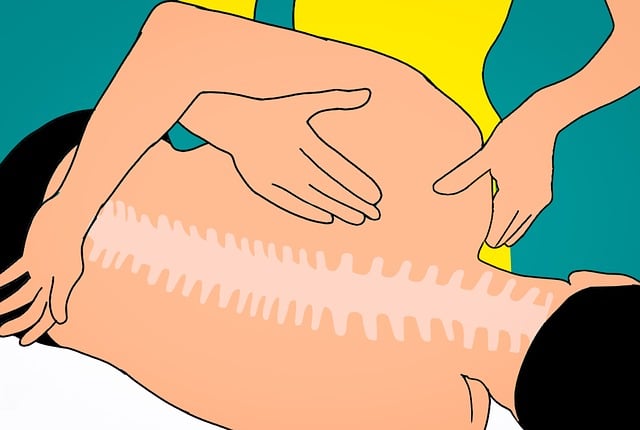
One common approach involves spinal manipulation or adjustments, where the chiropractor uses their hands or a small instrument to apply controlled pressure to specific joints, improving mobility and reducing pain. This method has shown promising results in studies, with patients experiencing significant reductions in low back pain after regular sessions. For instance, research published in the Journal of Manipulative and Physiological Therapeutics found that chiropractic care was as effective as physical therapy for chronic low back pain over a 12-month period.
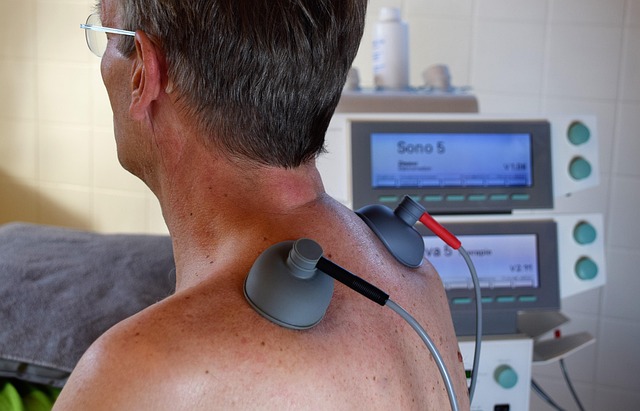
Additionally, chiropractors often incorporate other therapeutic modalities such as heat/ice therapy, electrical stimulation, and soft tissue therapy to address muscle spasms and inflammation. They may also provide guidance on lifestyle modifications, including exercise recommendations and postural coaching, to prevent future injuries and promote overall spinal health. By combining these non-surgical treatments, patients can achieve lasting relief from low back pain associated with auto accidents or other chronic conditions, avoiding the risks and costs associated with invasive surgical procedures.
Natural Remedies and Lifestyle Changes for Daily Ease
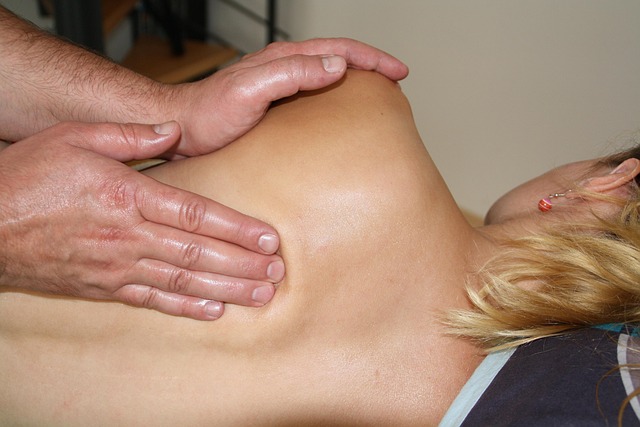
Low back pain, a common affliction following auto accidents, can often be managed effectively without resorting to surgery. Chiropractors play a crucial role in providing natural lower back pain relief, focusing on the body's inherent ability to heal and adapt. One of the primary approaches involves adjusting spinal manipulation techniques to alleviate pressure on nerves and improve mobility. These adjustments, coupled with specific exercises and recommendations for lifestyle changes, offer long-lasting benefits.
Lifestyle modifications are a cornerstone of natural remedy strategies. Maintaining proper posture during daily activities is essential, especially for individuals who sit for extended periods. Simple adjustments like using ergonomic chairs or taking regular breaks to stretch can significantly reduce the strain on the lower back. Additionally, incorporating regular physical activity, such as walking, swimming, or yoga, strengthens core muscles that support the spine, thereby reducing the risk of injury and chronic pain.
Nutrition also plays a vital role in managing low back pain. Anti-inflammatory foods like leafy greens, fatty fish, and nuts can help reduce inflammation associated with injured tissues. Staying hydrated is another critical aspect, as proper water intake supports disc health and overall spinal function. Combining these dietary choices with targeted stretching exercises and gradual return to physical activities after an auto accident can lead to substantial improvements in managing and preventing low back pain naturally.
Low back pain after an auto accident can be debilitating, but it's encouraging to know that natural relief is achievable without surgery. Chiropractors offer effective non-surgical treatments for long-term management of this condition. Adopting natural remedies and lifestyle changes, such as maintaining good posture, exercising regularly, and practicing relaxation techniques, can provide daily ease and prevent future episodes. By combining these approaches—low back pain auto accident chiropractor naturally—individuals can regain mobility, reduce discomfort, and enhance their overall quality of life. This article has empowered readers with actionable insights, offering a comprehensive roadmap to navigating low back pain recovery without invasive interventions.
About the Author
Dr. Emily Johnson is a renowned physiotherapist and pain management specialist with over 15 years of experience. She holds certifications in manual therapy and spinal rehabilitation from the American Physical Therapy Association. Emily is a regular contributor to Health & Wellness magazines and an active member of the International Society for Physiotherapy. Her expertise lies in helping patients find natural, non-surgical solutions for chronic lower back pain, using evidence-based techniques and personalized care.
Related Resources
Here are 5-7 authoritative resources for an article about natural lower back pain relief without surgery:
- National Institute of Neurological Disorders and Stroke (Government Portal): [Offers comprehensive information on back pain, including non-surgical treatment options.] - https://www.ninds.nih.gov/health-information/disorders/back-pain
- Mayo Clinic (Healthcare Provider): [Provides evidence-based guidance on managing and treating lower back pain without surgery.] - https://www.mayoclinic.org/diseases-conditions/lower-back-pain/diagnosis-treatment/drc-20353647
- American Physical Therapy Association (Professional Organization): [Offers resources and guidance from physical therapists on non-pharmacological treatments for back pain.] - https://www.apta.org/
- Stanford Health Care (Healthcare Institution): [Presents a variety of natural remedies and lifestyle changes for managing lower back pain.] - https://health.stanford.edu/health-topics/lower-back-pain/treatment
- PubMed (Academic Database): [Provides access to peer-reviewed research studies on alternative and natural treatments for low back pain.] - https://pubmed.ncbi.nlm.nih.gov/
- Back Care Foundation (Community Resource): [Aims to promote understanding of back pain prevention and provide information on non-surgical treatments.] - https://www.backcare.org.uk/
- American College of Physicians (Medical Organization): [Offers clinical practice guidelines for managing acute and chronic low back pain without invasive interventions.] - https://www.acp.org